Showing posts with label by. Show all posts

How to Make a Key by Vin Number

Sunday, April 20, 2014 | Labels: , , , , , , , | 0 comments |
How to Make a Key by Vin Number

Most automobiles are sold with multiple sets of keys. It is possible to misplace all the keys for your car. If you do lose all your cars keys, it is often possible to take the Vehicle Identification Number (VIN) to a dealer for a replacement key. A locksmith can be expensive and should be your option of last resort. If you present the VIN and proof of ownership to a dealer, they can get a replacement key from the manufacturer.

Instructions

    1

    Locate the VIN and note it. An autos VIN is usually stamped on a metal plate near the drivers side of the dashboard. The VIN can also be found inside the engine compartment, stamped on the engine or on a metal tag attached to the engine.

    2

    Take the VIN along with personal photo identification and proof of ownership to a dealer for that particular model of vehicle.

    3

    Present your proof of ownership to the dealer. A registration or title in your name, indicating the VIN, is the best proof of ownership.

    4

    Wait while the dealer contacts the manufacturer and has a duplicate key made. This process can take anywhere from a few hours to a few days.

Continue reading...

How to Determine NPT Pipe Sizes by Measurements

Thursday, April 10, 2014 | Labels: , , , , , , , | 0 comments |
How to Determine NPT Pipe Sizes by Measurements

The National Pipe Tapered Thread (NPT) was created in 1864 to set a standard of measurement. An NPT pipe has a tapered male end and a threaded female end to join pipes for mechanical and hydraulic applications. Taking proper measurements of the pipe ends allow you to purchase fittings, nipples and caps that fit the pipe correctly and form a tight seal.

Instructions

    1

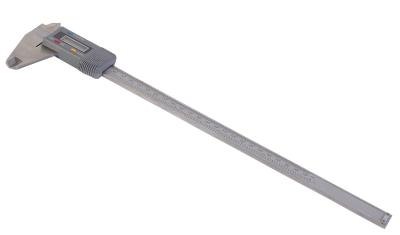
    Turn on a pair of digital calipers. Spread the large jaws apart that measure outside diameter (OD).

    2

    Place the jaws around the threads of a male pipe and close them until they touch the pipe. Read the digital display of the OD.

    3

    Measure the OD of a pipe with female (internal threads) on the end of the pipe with digital calipers.

    4

    Lay a pipe with male threads on a flat surface. Pull out the tip of a measuring tape and lock it in position at the 1-inch mark. Align the tape measure tip with the end of the pipe. Count the threads on the pipe in the 1-inch area. Use a pencil point to touch each thread as you count it for an accurate measurement of threads per inch (TPI).

    5

    Compare your OD measurements and TPI to a pipe thread size chart and choose the size closest to your measurement to obtain the nominal pipe size.

Continue reading...

Blockage Caused By Old Gas in a Tank

Friday, March 21, 2014 | Labels: , , , , , , , | 0 comments |
Blockage Caused By Old Gas in a Tank

Blockages in your fuel system can be exacerbated by old gasoline, but are rarely caused by old fuel alone. If your vehicle has a blockage in its fuel system, you may have to replace or repair several different components, including the fuel pump, fuel lines or the fuel tank to completely remedy the problem. In newer vehicles, your fuel injectors may also be damaged by a combination of bad gas and blockages.

Old Gasoline

    Gasoline separates over time, especially gasoline that contains ethanol. The more ethanol the fuel contains, the more likely it is to separate. While separated gas can cause its own unique blend of problems, mostly due to water and ethanol going through the fuel system without the gasoline component of the mixture due to fuel separation, old gasoline in and of itself does not have anything in it that can create a blockage in your fuel system. Old gasoline can, however, contribute to blockages in your fuel system.

Fuel System Blockage

    Blockages in your fuel system are caused by particles of dirt, dust and miscellaneous debris mixing with your gasoline and traveling through your fuel system. These particles will eventually come to an area of your fuel system where they can no longer flow through and will either create a blockage on their own or they can build up and collect over time to create a blockage.

Bad Fuel and Blockages

    When fuel sits in your gas tank for long periods of time, dirt and debris that are in the fuel itself will mix with existing dirt, rust and debris in the gas tank. The older your vehicle is, the more likely it is to have contaminants built up in the fuel tank. When gas sits in the tank for several weeks or months, these substances will sink to the bottom of the tank. When you attempt to drive the vehicle, this layer of trash will get sucked up into your fuel pump and create blockages in your fuel system. The longer gasoline sits, the more likely your vehicle is to experience a blockage when you attempt to start it.

Preventing Blockages

    If you know your vehicle is going to be sitting for any length of time, try to drive it so that there is very, very little gas left in the tank before you park it for the long term. When you go to drive a vehicle that has had gas sitting in the tank, put a bottle of fuel stabilizer in and add as much new gas as possible to minimize the amount of bad, separated gasoline that reaches your engine. If your vehicle has been sitting for several months or longer with a lot of bad gas in the tank, you may want to have your mechanic remove the bad gas from the tank manually by either dropping the tank or siphoning the fuel out.

Continue reading...

How to Search Recalls by VIN Number

Saturday, January 18, 2014 | Labels: , , , , , , | 0 comments |
How to Search Recalls by VIN Number

Manufacturer car recalls can range from serious mechanical failure such as brake or engine issues to less severe problems like a faulty knob or light. Nevertheless, keeping your car current with recalls is important to maintain the vehicles safety. Manufacturers will send out a recall notice and there are searchable databases on the Internet to check on recall statuses, but the only way to check recall information using the vehicle identification number (VIN) is to search the manufacturer database.

Instructions

    1

    Write down your VIN. The 17-digit VIN will be located on the dashboard of the drivers side near the windshield. You can also find the VIN on the front of the engine block or the front of the vehicles frame in the wheel base.

    2

    Contact your local dealerships service department or a repair shop certified by the manufacturer of your car.

    3

    Ask the associate in the service department to run your VIN through the manufacturer database for any outstanding recall information. Running the VIN through the manufacturer database will provide specific information for your vehicle.

Continue reading...

Engine Damage Caused by Pouring a Soft Drink in the Gas Tank

Monday, October 14, 2013 | Labels: , , , , , , , , , , , | 0 comments |
Engine Damage Caused by Pouring a Soft Drink in the Gas Tank

Depending on the amount, pouring a soft drink into a cars gas tank can cause a significant amount of engine damage. Car manufacturers design modern day engines to deal with only gasoline in the fuel tank. The water and sugar are foreign substances, and the engine cannot process a large amount of either.

Significance

    A pint or less of soft drink in the engine will not cause substantial damage. There may be strange sounds or small "hiccoughs" while the engine runs. However, a liter or more of soft drink is too much for the engine to process. According to "Car Talk," the car will run poorly and may not start at all.

Types of Damage

    Water in the soft drink will do the most damage. Too much water in the engine will get into the fuel pump and fuel line. Water can not power an engine when it evaporates, therefore the valves will not work.

    The sugar in the soft drink may cause you to replace your fuel filters, because the sugar will melt onto the filter when the car runs. Your car will still run, but will not work optimally with clogged filters.

Solutions

    Ask a mechanic to drain your gas tank and your engine of water if you have too much soft drink in the system. He will also change the fuel filter at this time, especially if you tell him a beverage is running through your engine.

    If you have expansive knowledge of car engines, you could detach the fuel line yourself and drain the engine. However, gasoline will also be in the tank. The fumes and high flammability are extremely dangerous to deal with at home as opposed to in an auto garage.

Continue reading...